Photography as Listening: Notes on Street and Portraiture
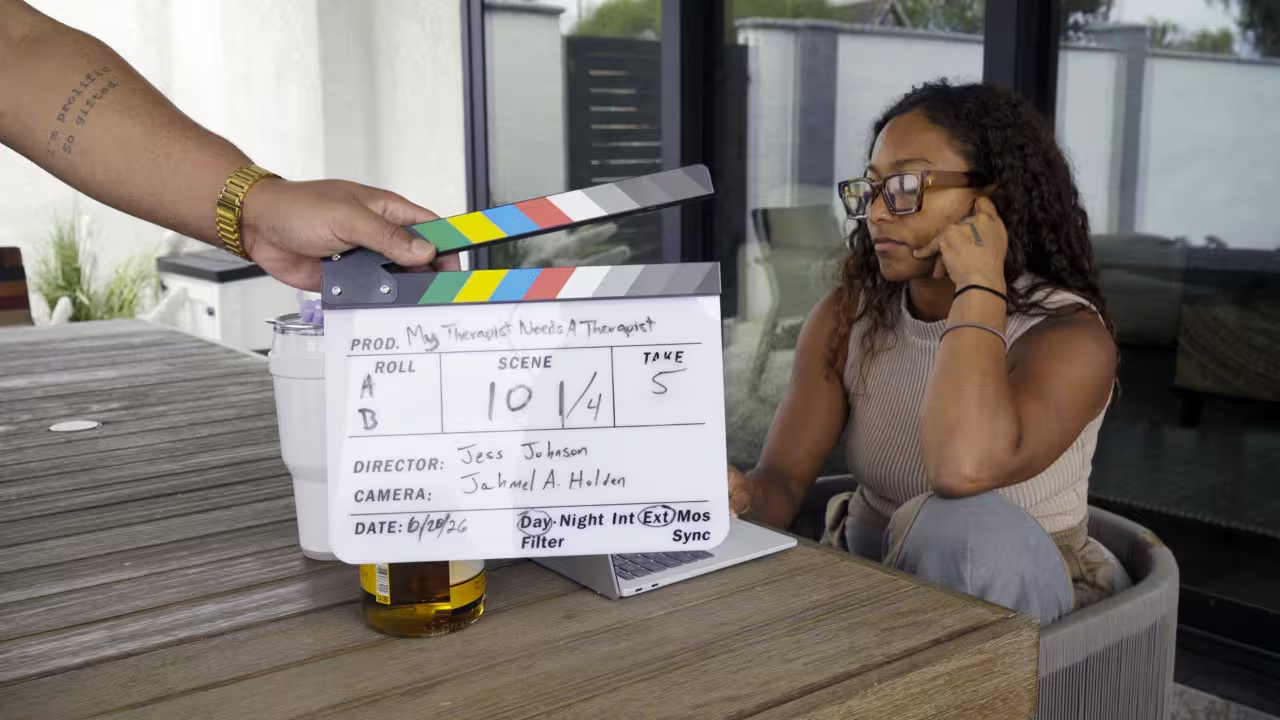
The first rule I gave myself on the street was simple: never steal a face. Ask, wait, thank.
The camera changes the moment the second someone knows it is there. Pretending otherwise is a kind of dishonesty I am no longer interested in. I would rather lose the shot than take one that a stranger would want back if they saw it hanging on a wall. Consent is not a limitation on the craft. It is the craft.
Portraiture is a small negotiation of trust. You get about seven seconds to convince someone that the version of themselves you are about to make is a version they can live with.
Most of those seven seconds are body language. Lower the lens. Soften the shoulders. Ask a real question and actually wait for the answer. If someone offers you their face, they are handing you something fragile. The best portraits I have ever made started with a conversation that had nothing to do with the picture.
I like the honest light. Late afternoon in Inglewood, a rooftop in Koreatown, a stoop in Leimert Park. The city keeps offering me framing if I keep offering it patience.
Golden hour is the honest hour, but overcast noon is a close second. Flat light strips away drama and leaves you with the person. If a portrait works in overcast noon, it will work anywhere. That is the light I trust when I am not sure about a subject yet.
I carry a small camera on purpose. A large body signals authority and puts everyone on guard. Something the size of a paperback lets me be a person first and a photographer second. The gear matters less than the posture. The posture is: I am here, I am listening, and I will not take anything you did not offer.
Photography, at its best, is a practice of paying attention. It has made me a better writer, a better director, and a slower human being. When I am behind a camera, I am not thinking about a market or a client or a headline. I am just watching a person be a person, and choosing when to press the button. That is a discipline I want to bring back into everything else I make.
Keep reading
On making room for the voices Hollywood keeps calling niche, and why the industry keeps missing the stories that matter most.
Notes from my first staff writing job: pace, generosity, and the quiet art of protecting a story without holding it too tightly.